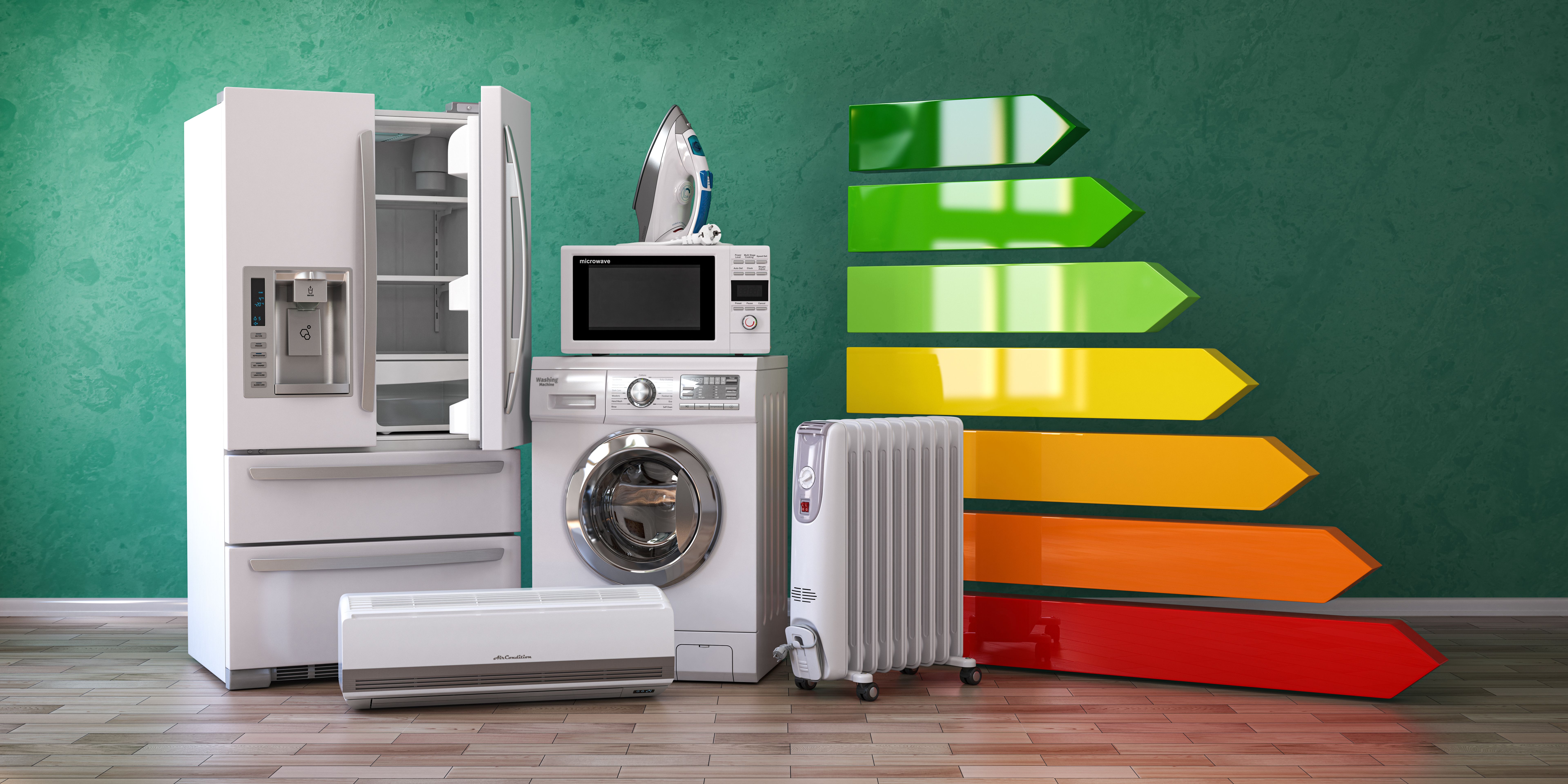
Common Appliance Myths: What You Really Need to Know


Understanding Common Appliance Myths
In today's fast-paced world, appliances play a crucial role in making our lives easier. However, many myths about these essential tools persist, affecting how we use and maintain them. It's time to debunk these myths and reveal the truth about what really matters.

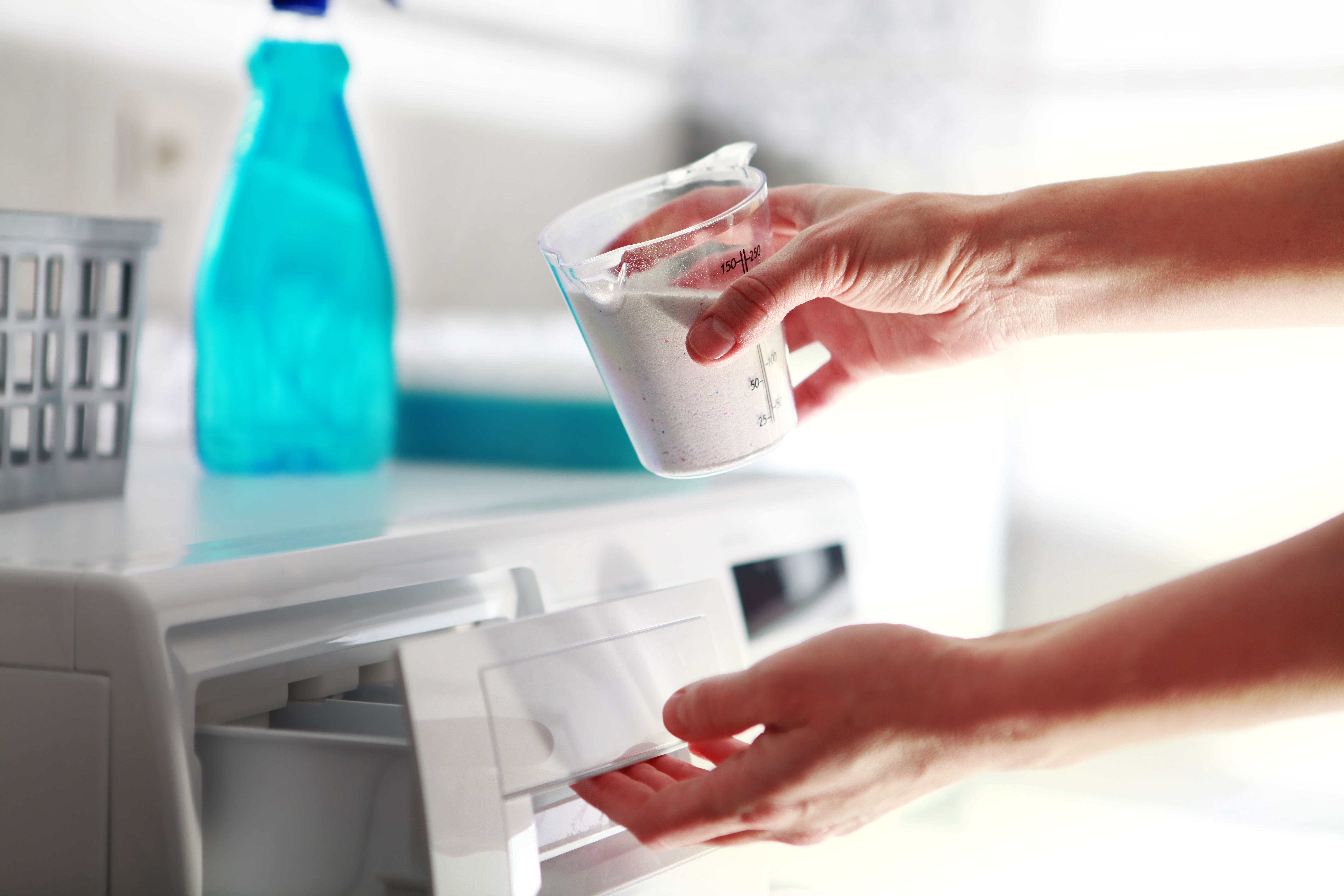
Myth 1: More Detergent Means Cleaner Clothes
A common belief is that using more detergent will result in cleaner clothes. This is far from the truth. Overusing detergent can actually leave residue on your clothes and damage your washing machine. Using the recommended amount is key to achieving the best results and prolonging the life of your appliance.
Always follow the manufacturer's instructions for detergent use and consider high-efficiency (HE) detergents for modern machines.
Myth 2: Always Pre-Rinse Dishes Before Loading the Dishwasher
Many people believe that pre-rinsing dishes is necessary before loading them into the dishwasher. However, most modern dishwashers are designed to handle food particles. Pre-rinsing can waste water and is often unnecessary.
Instead, simply scrape off large food scraps and let your dishwasher do its job. This not only saves water but also ensures your dishwasher's sensors work effectively.
Myth 3: You Can't Use Non-Stick Cookware on High Heat
It's a widespread myth that non-stick cookware cannot be used on high heat. While it's true that extremely high temperatures can damage non-stick coatings over time, most quality non-stick pans can handle medium to high heat.
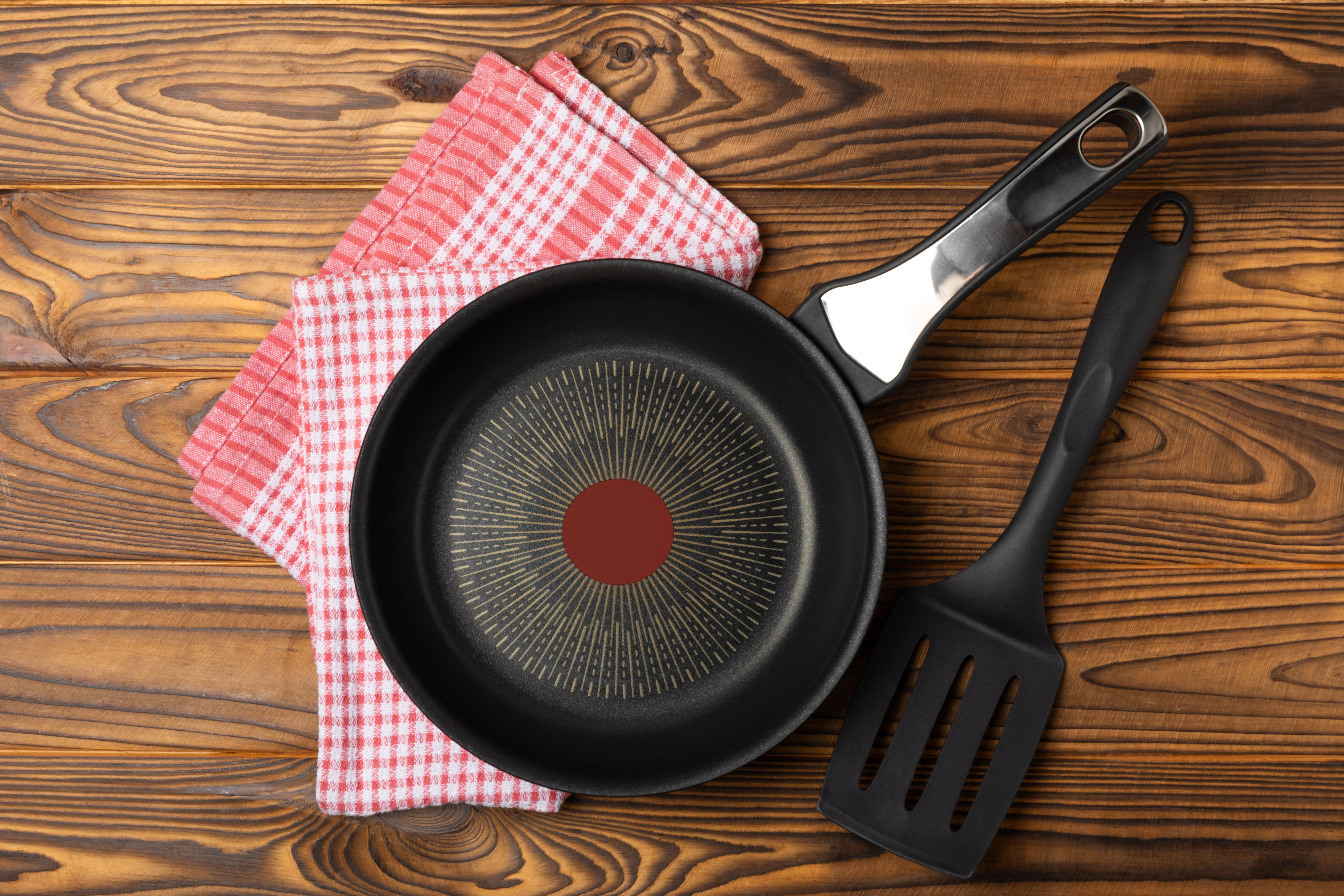
To maximize the lifespan of your cookware, avoid overheating and follow the manufacturer's heat recommendations.
Myth 4: Closing Vents in Unused Rooms Saves Energy
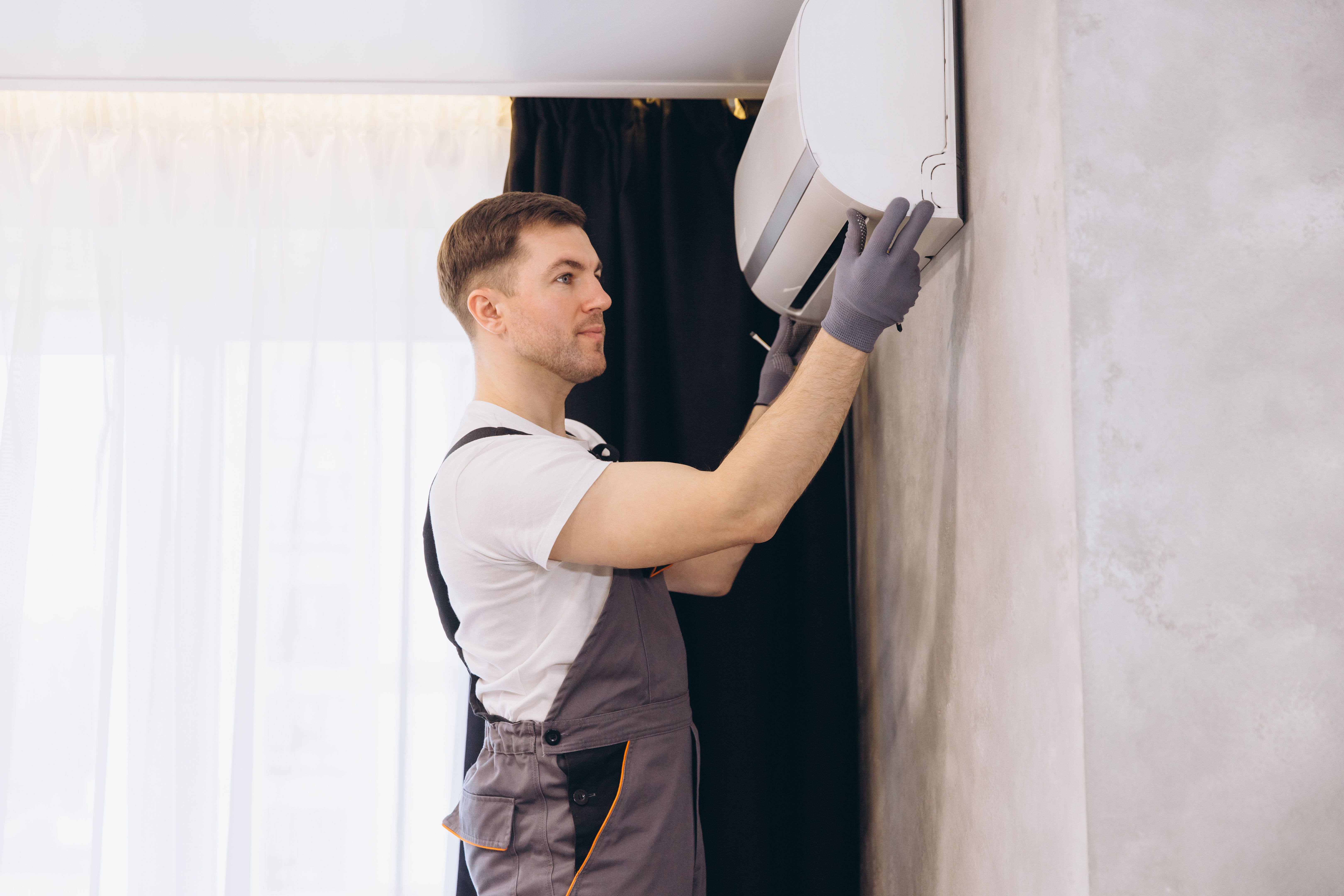
Closing vents in unused rooms may seem like a smart way to save energy, but it can actually disrupt the balance of your HVAC system. This can lead to inefficiency and increased energy costs.
It's better to keep vents open and let your system operate as designed. Consider using a programmable thermostat for better energy management.
Myth 5: Leaving Appliances Plugged in Doesn't Consume Energy
Even when turned off, many appliances continue to draw power when plugged in. This phenomenon is known as "phantom load" or "vampire power."
To save energy, unplug appliances when not in use or use smart power strips to cut off electricity flow.
Conclusion: Be Informed and Make Smart Choices
Understanding the realities behind these common appliance myths can help you use your devices more efficiently and effectively. By debunking these myths, you can save energy, extend the life of your appliances, and make informed decisions.