
Common Appliance Repair Myths Debunked


Understanding Appliance Repair Myths
Appliance repair is often a topic surrounded by misinformation. Many homeowners make decisions based on common myths, which can lead to unnecessary expenses or even further damage. In this blog post, we aim to debunk some of these myths to help you make informed decisions about your appliance repairs.
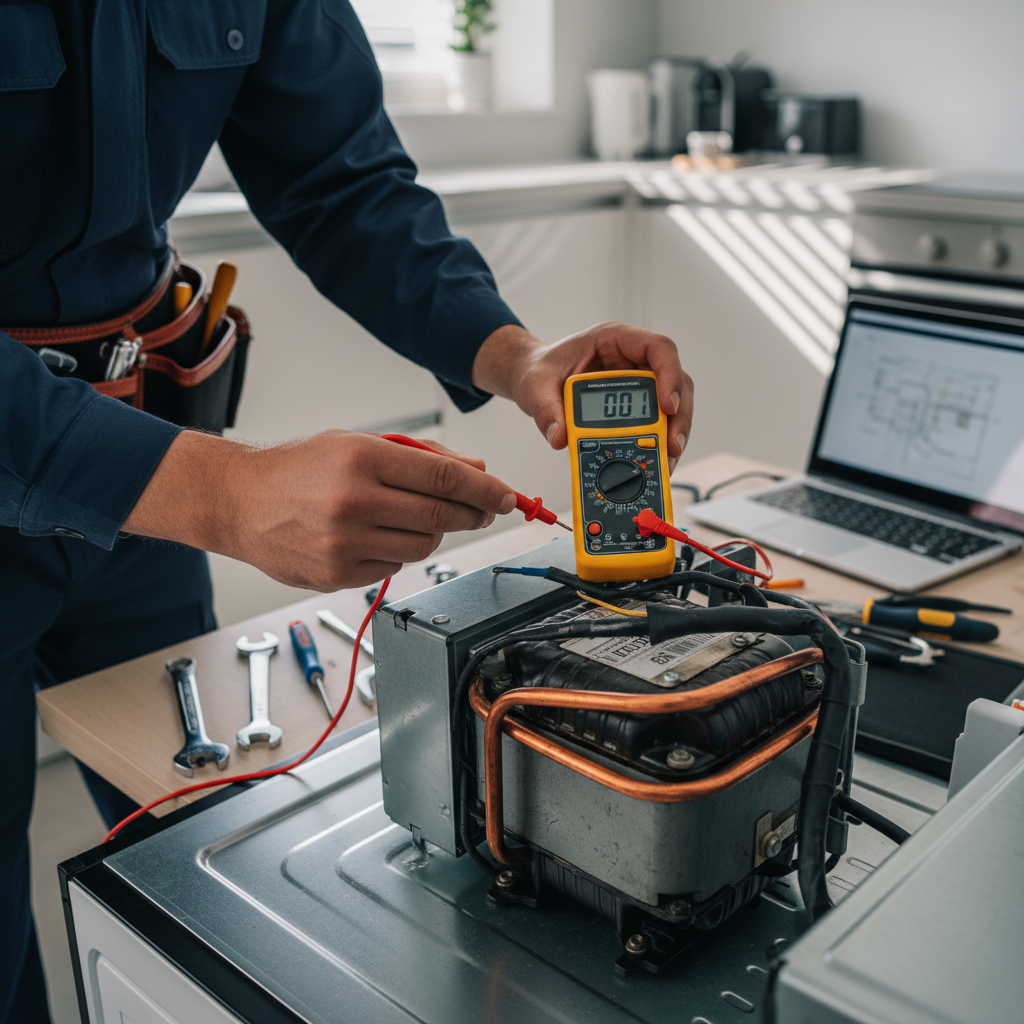
Myth 1: DIY Repairs Save Money
One of the most prevalent myths is that do-it-yourself repairs are always cheaper. While it's true that some minor issues can be fixed with a little research and elbow grease, many appliance problems require professional expertise. Attempting to fix complex issues without the right knowledge or tools can lead to more damage, resulting in higher repair costs.
Before tackling a repair, consider the complexity of the issue and your own skill level. If there is any doubt, consulting a professional might save you money in the long run.
Myth 2: New Appliances Never Need Repairs
Another common misconception is that new appliances are immune to problems. While newer models are generally more reliable due to technological advancements, they are not infallible. Manufacturing defects, installation errors, or even user mishandling can lead to issues.

Regular maintenance and proper use are crucial in ensuring the longevity of any appliance, regardless of its age. It's essential to follow the manufacturer's guidelines and schedule routine check-ups to prevent unexpected breakdowns.
Myth 3: All Repair Companies Are the Same
Assuming all repair services offer the same level of expertise and service quality is a mistake. In reality, repair companies differ significantly in terms of experience, specialization, and customer service. Choosing the right service provider is crucial to ensure efficient and effective repairs.
- Check for certifications and experience.
- Read customer reviews and testimonials.
- Compare service warranties and guarantees.
Myth 4: It's Cheaper to Replace Than Repair
Many people believe that replacing an appliance is always more cost-effective than repairing it. However, this isn't always the case. Depending on the age, condition, and type of the appliance, repairs can often extend its life significantly at a fraction of the cost of a new purchase.
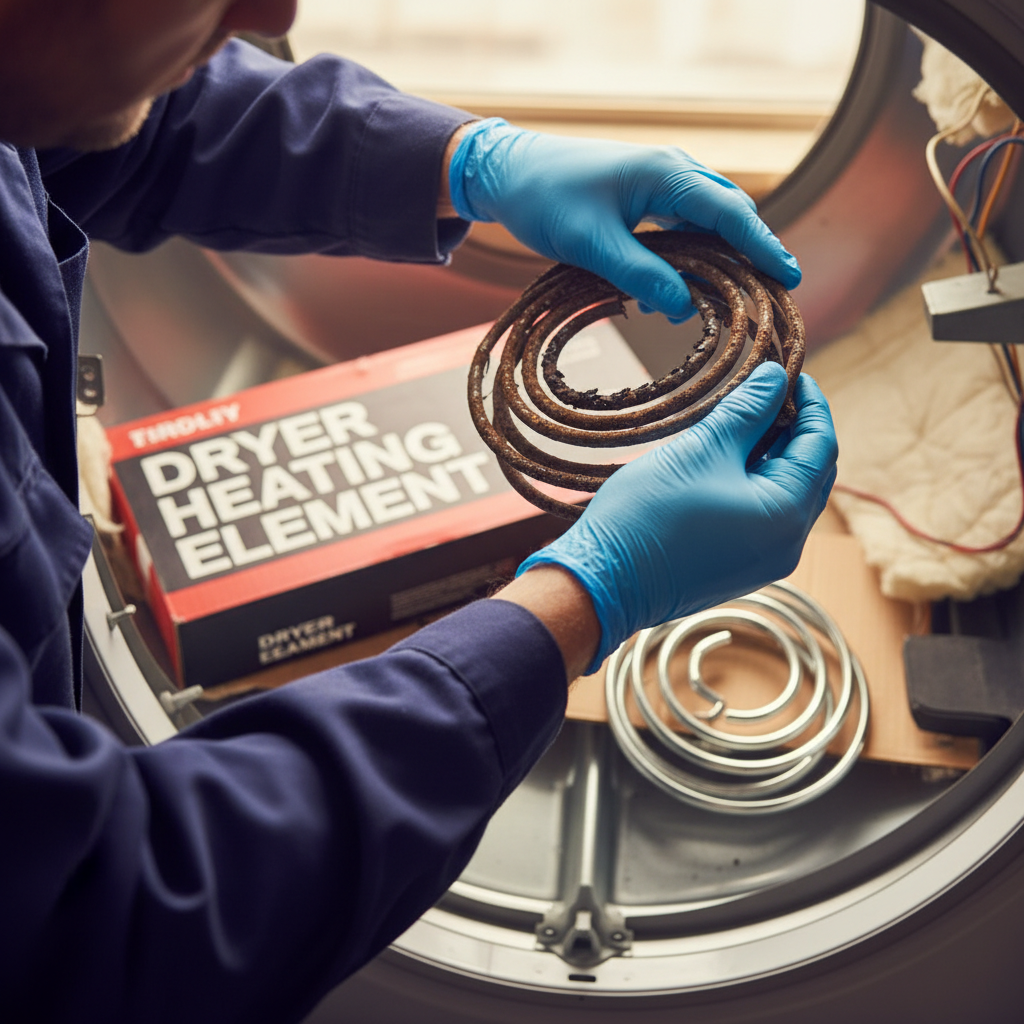
Consider the repair costs versus the replacement costs, and don't forget to factor in the environmental impact of disposing of an old appliance. Often, a simple repair can give your appliance many more years of useful life.
Conclusion
Debunking these common myths can help you make more informed decisions when dealing with appliance repairs. Whether it's understanding when to call a professional, recognizing the value of regular maintenance, or choosing between repair and replacement, being informed is your best tool.
Remember, not all advice is created equal, and relying on professional guidance can save you time, money, and frustration in the long run.