
DIY Appliance Troubleshooting: When to Call in the Experts


Understanding Your Appliance Issues
When your appliances start acting up, it can be tempting to jump right in and try to fix them yourself. DIY troubleshooting can be effective, especially for minor issues. However, it's crucial to know when a problem requires professional attention. This guide will help you navigate common appliance issues and determine when to call in the experts.
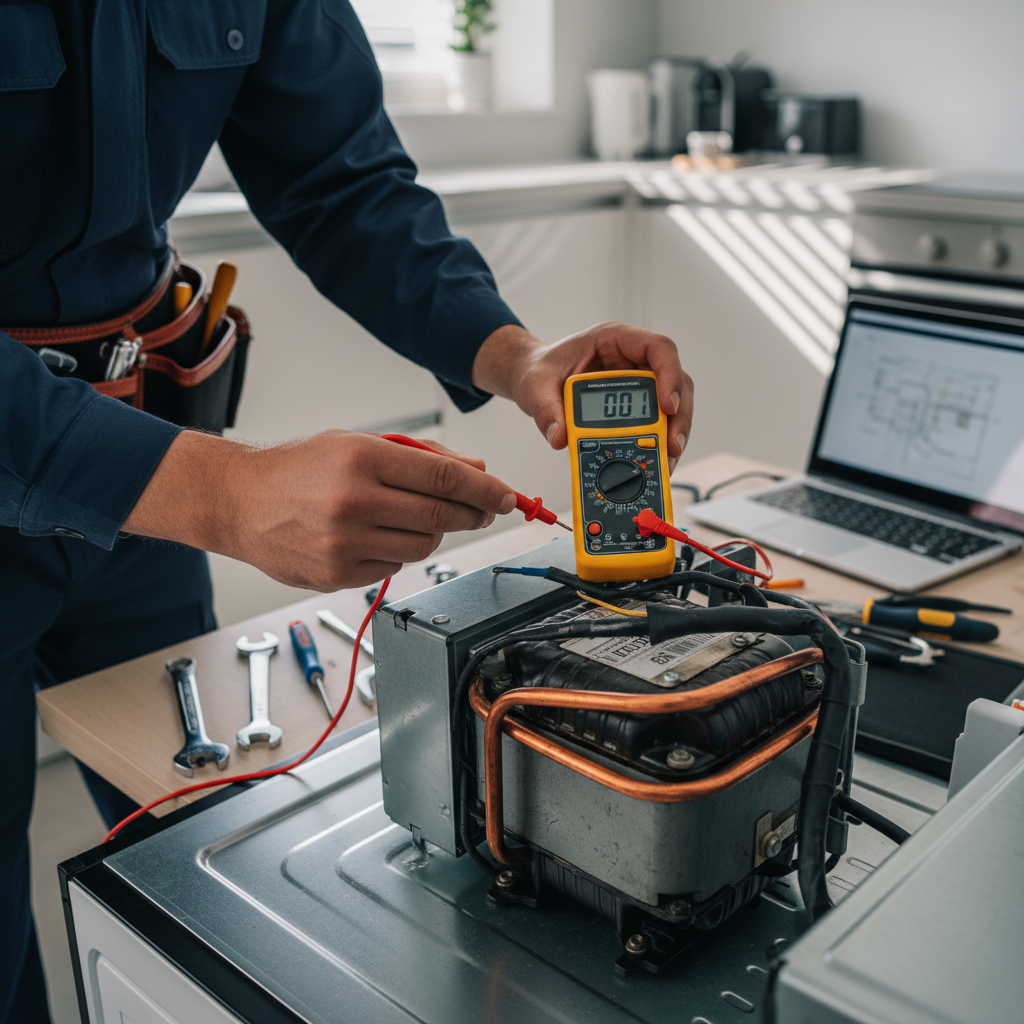
Common DIY Fixes
Many appliance problems are straightforward and can be resolved without professional help. Here are a few common issues you might encounter:
- Refrigerator not cooling: Ensure the thermostat is set correctly and check for any obstructions in the vents.
- Washer not spinning: Verify that the load is balanced and inspect the lid switch for any faults.
- Oven not heating: Check the heating element and replace it if it's visibly damaged.
Signs It's Time to Call the Experts
While DIY solutions can be cost-effective, there are situations where professional intervention is necessary. Here are some signs that you should call in the experts:
- Strange noises: Unusual sounds could indicate mechanical issues that require specialized tools and expertise.
- Persistent problems: If the same issue keeps occurring despite your efforts, it's time for a professional diagnosis.
- Water leaks: Leaks can cause significant damage if not properly addressed, so it's best to rely on a professional.
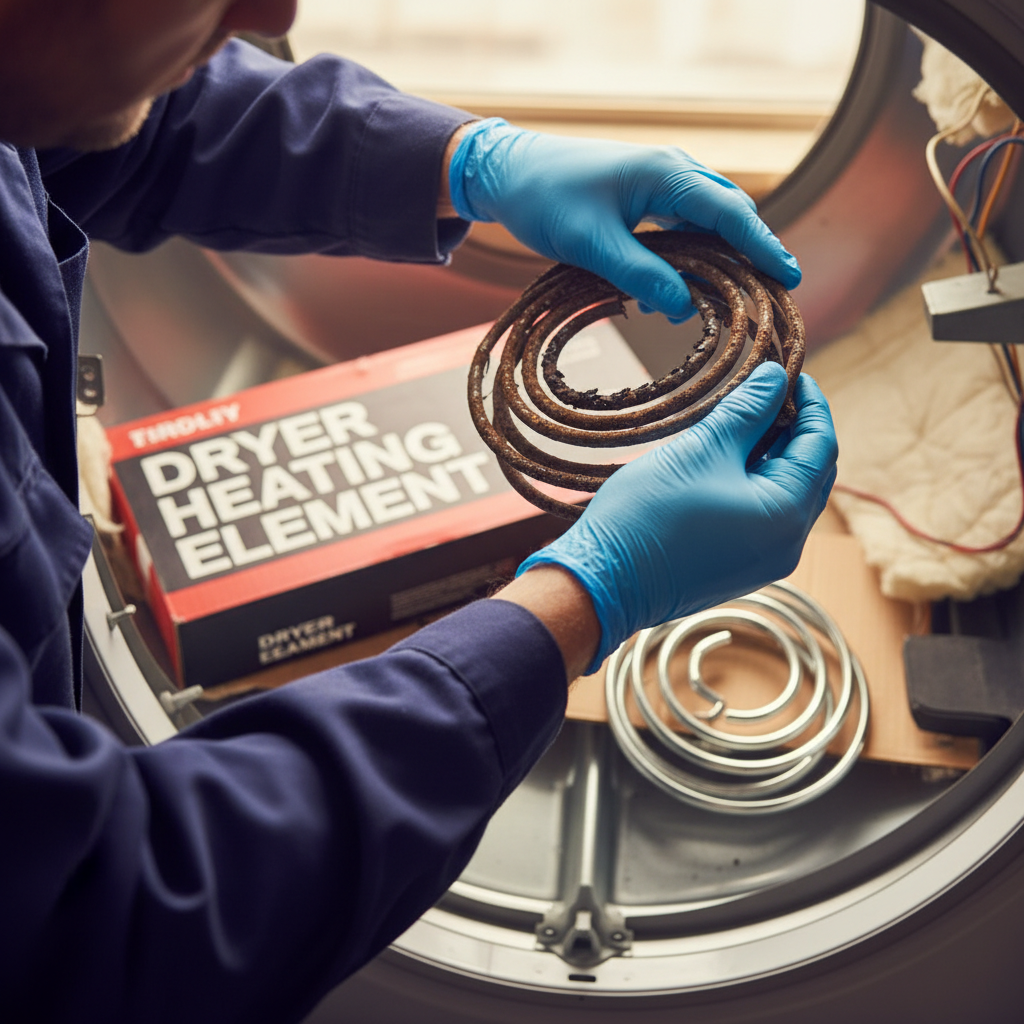
Benefits of Professional Repair
Hiring a professional comes with several advantages. Firstly, experts have the necessary tools and skills to tackle complex issues efficiently. They can also provide valuable advice on maintaining your appliances to prevent future problems. Additionally, professional repairs often come with warranties, giving you peace of mind.
Safety First
When dealing with electrical appliances, safety should always be a top priority. If you're unsure about handling an issue, it's better to err on the side of caution and seek professional help. Attempting to fix something beyond your skill level can lead to injury or further damage to the appliance.
Cost Considerations
While DIY repairs can save money upfront, they may not always be the most cost-effective solution in the long run. Incorrect repairs can lead to more significant issues, requiring even more expensive fixes. Weighing the potential costs can help you decide whether to hire a professional or attempt a DIY fix.
Knowing Your Limits
Understanding your own limitations is key to successful appliance troubleshooting. If you're comfortable with basic repairs, tackling minor issues can be rewarding. However, it's essential to recognize when a problem is beyond your expertise and requires professional attention.
Conclusion
DIY appliance troubleshooting can be a practical approach for minor issues, but it's important to know when to call in the experts. By recognizing the signs of more serious problems and understanding the benefits of professional repairs, you can ensure your appliances are in top working condition while maintaining safety and efficiency.