
How to Troubleshoot Common Refrigerator Issues at Home


Identifying Refrigerator Issues
Refrigerators are essential appliances in our homes, but like any machine, they can encounter problems. Understanding the common issues and knowing how to troubleshoot them can save you time and money. Before you call a technician, try these simple steps to solve the issue yourself.
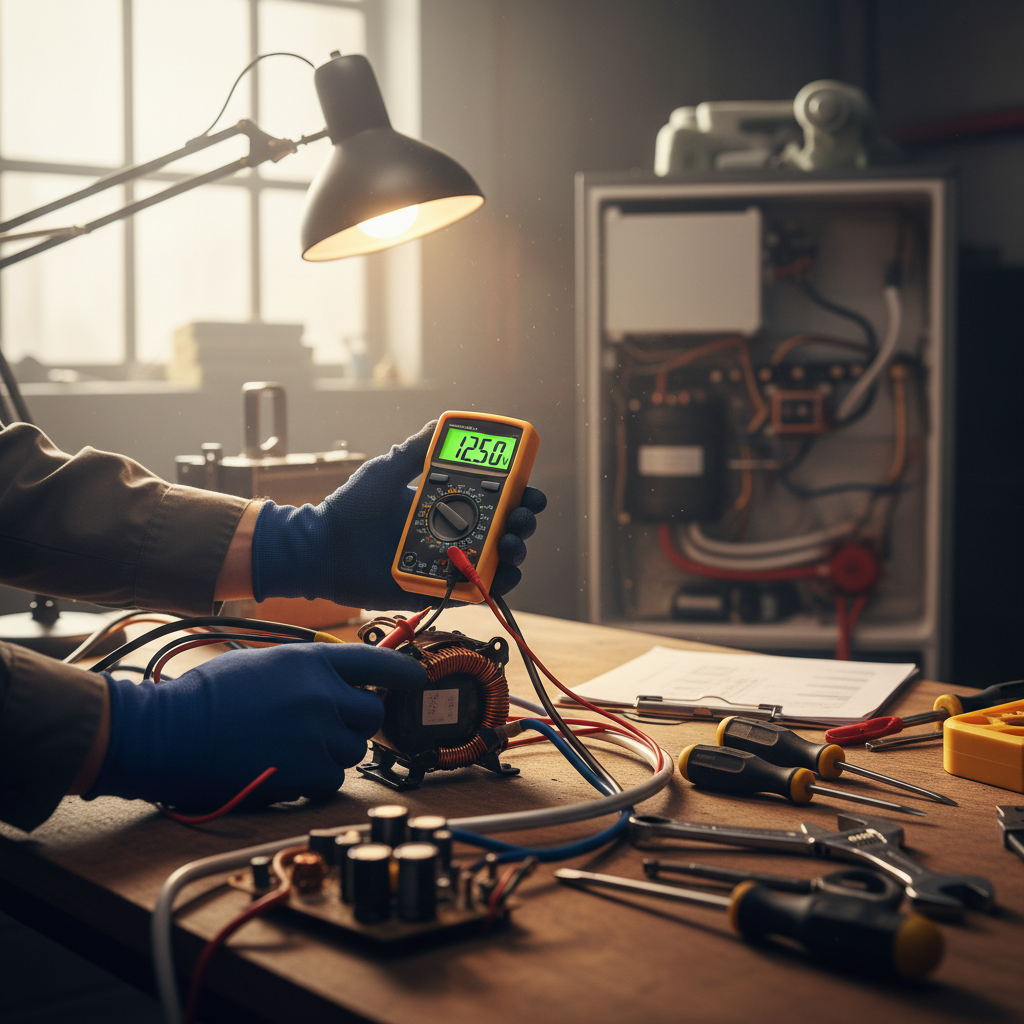
Refrigerator Not Cooling
If your refrigerator isn't cooling properly, start by checking the thermostat settings. Ensure the temperature control is set to the recommended level, usually between 37°F and 40°F for the refrigerator compartment.
Next, inspect the condenser coils, typically located at the back or underneath the fridge. Dust and debris can accumulate on these coils, reducing efficiency. Clean them using a vacuum or brush. This simple step can often resolve cooling issues.
Strange Noises
Unusual sounds from your refrigerator can be alarming. Listen closely to identify the source of the noise. A rattling sound may indicate that the appliance is not level. Adjust the feet to stabilize it.
Humming or buzzing noises might suggest that the compressor is working harder than usual. Ensure there is adequate space around your fridge for proper ventilation. If the noise persists, you may need professional help to diagnose the compressor.
Water Leakage
Water pooling inside or outside your refrigerator is often due to a blocked defrost drain. This drain can become clogged with food particles or ice. Locate the drain hole and use warm water to clear the blockage. A turkey baster or a small funnel can be helpful here.
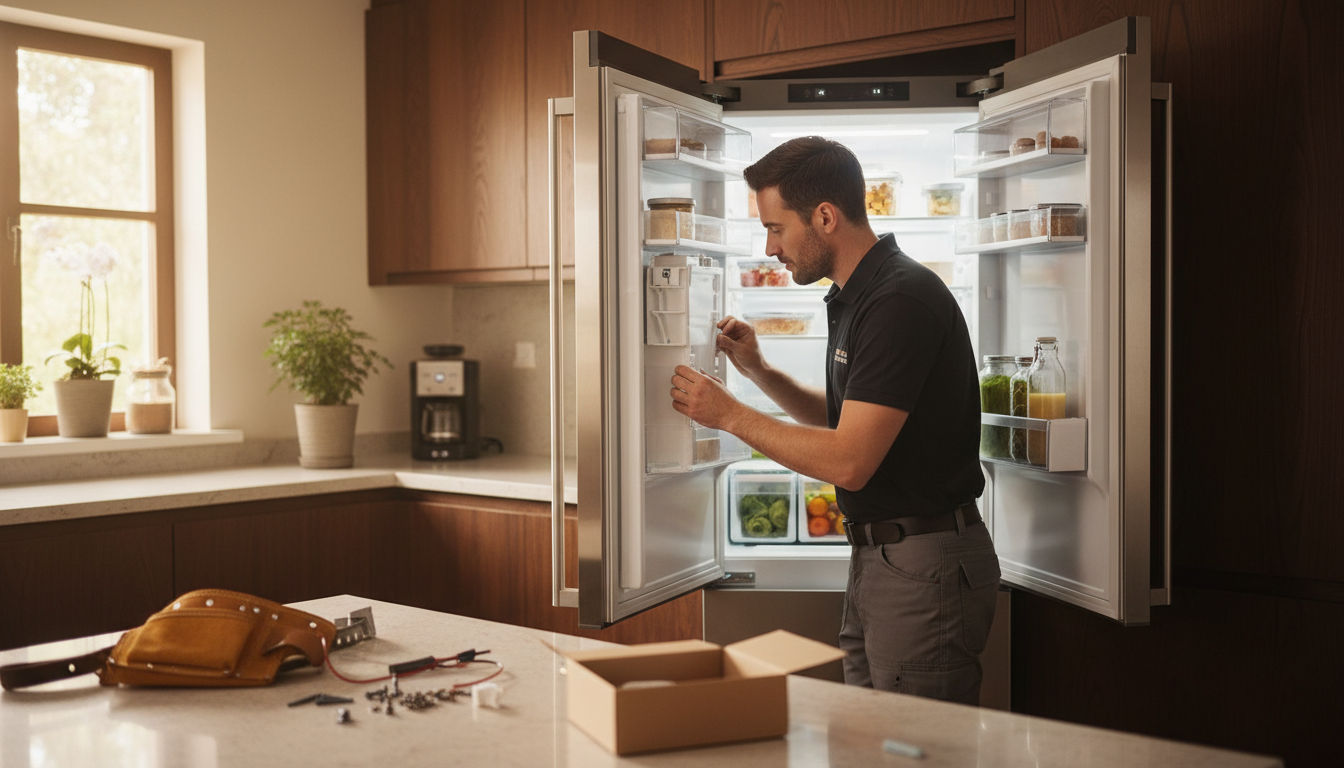
Check the door seals if the leakage issue continues. Damaged seals can cause condensation inside the fridge, leading to water accumulation. Replace any faulty seals to maintain optimal efficiency.
Ice Maker Problems
Ice makers are convenient but can occasionally malfunction. If your ice maker isn’t producing ice, ensure it's turned on and connected to the water supply. Check the water inlet valve and replace it if necessary.
For ice that is too small or malformed, inspect the water filter. A clogged filter can restrict water flow. Replace it according to the manufacturer's guidelines to ensure a steady supply of ice.
Conclusion
By understanding these common refrigerator issues and troubleshooting them at home, you can extend the life of your appliance and avoid unnecessary expenses. However, if the problem persists after trying these solutions, it may be time to consult a professional technician.