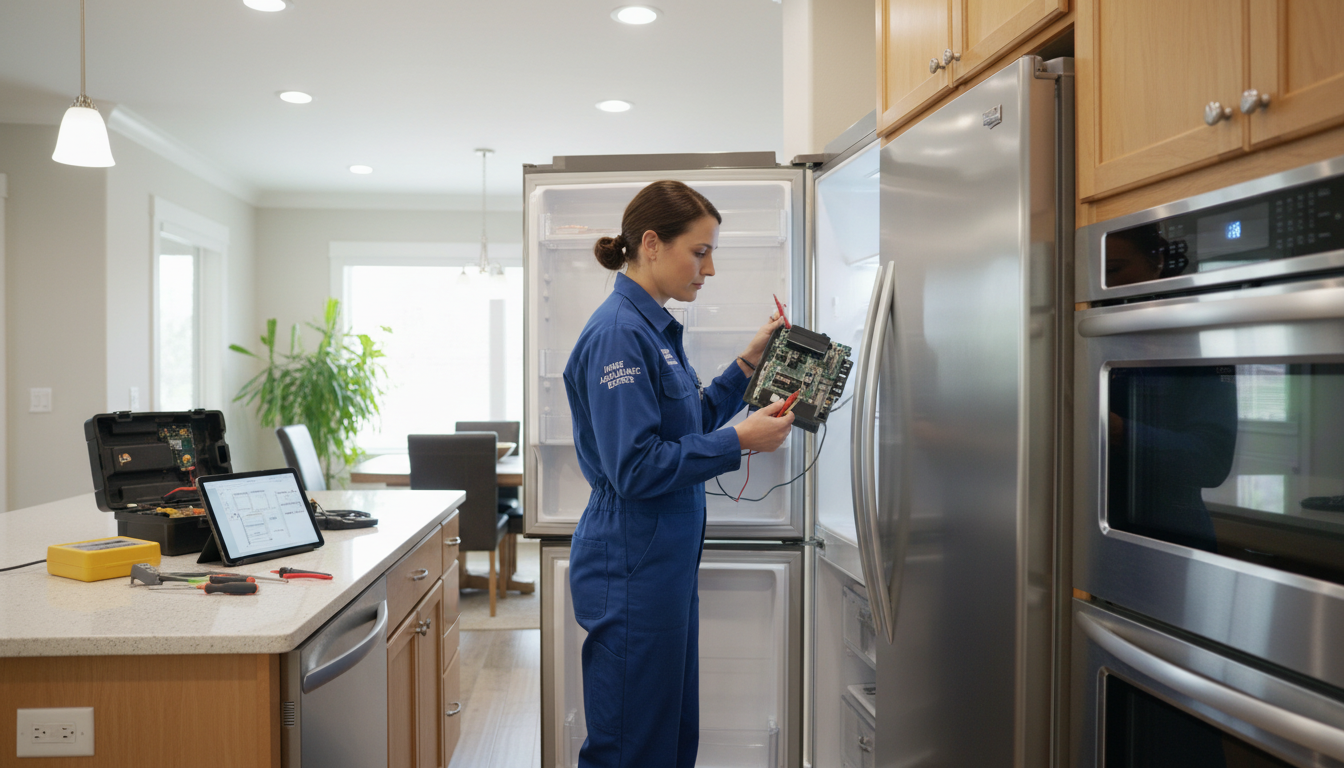
How to Troubleshoot Common Refrigerator Issues Before Calling a Professional


Introduction
Refrigerators are an essential appliance in our homes, keeping our food fresh and safe. However, like any appliance, they can encounter issues. Before calling a professional, there are several troubleshooting steps you can take. This guide will help you address common refrigerator problems and potentially save you time and money.
Refrigerator Not Cooling
If your refrigerator isn't cooling properly, the first thing to check is the thermostat settings. Ensure that it is set to the correct temperature. For most refrigerators, the ideal temperature is between 35-38°F (1.7-3.3°C).
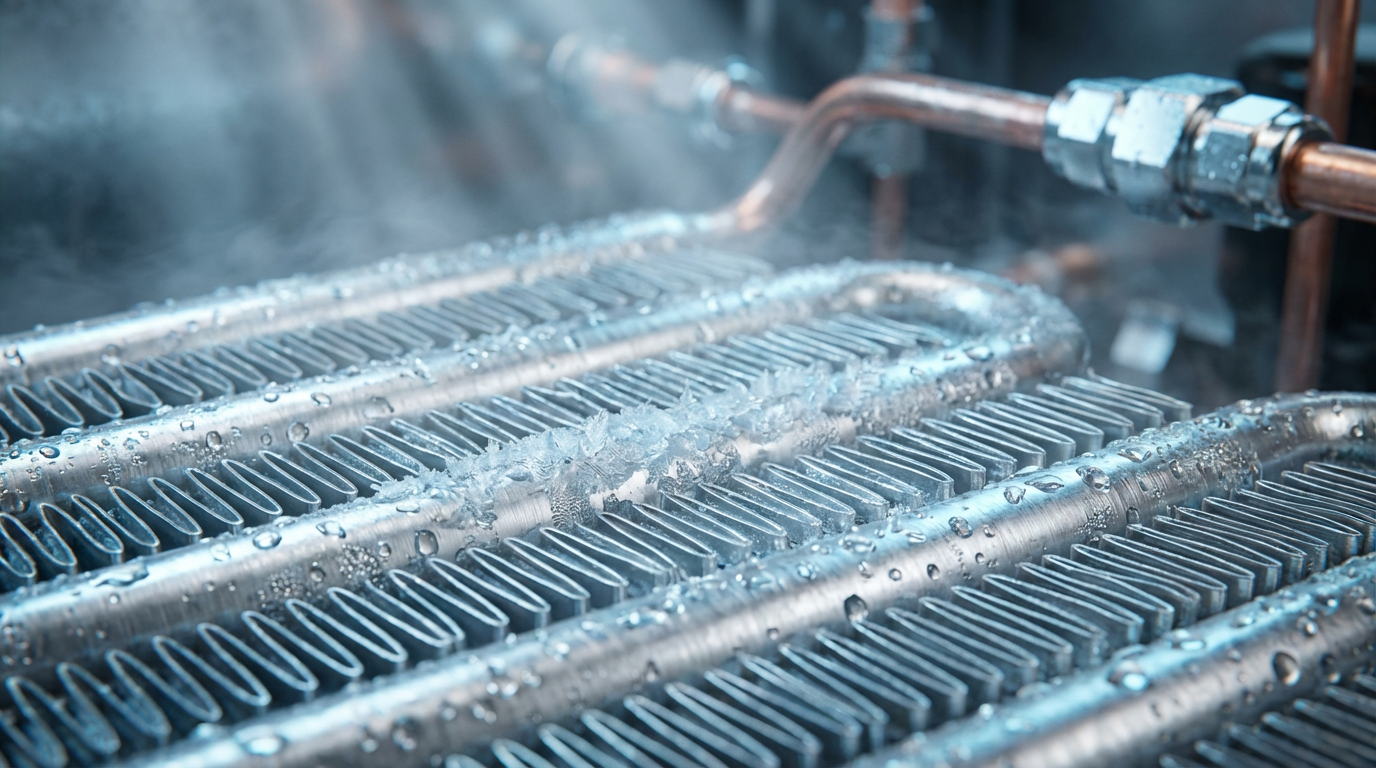
Another common issue could be dirty condenser coils. These are typically located at the back or bottom of the refrigerator. Over time, dust and dirt can accumulate, reducing efficiency. Clean the coils with a vacuum or brush to improve performance.
Strange Noises
Unusual noises can be alarming, but they often have simple explanations. If you hear a buzzing noise, it might be due to the refrigerator not being level. Use a spirit level to check, and adjust the legs as needed until it is stable.
Clicking or popping sounds are usually normal as the refrigerator cycles through its defrost process. However, if the noise is persistent or concerning, you might want to inspect the fan or motor for any visible issues.
Water Leaks
Water leaking from your refrigerator can be caused by a few different factors. First, check the drain pan located underneath the fridge. If it is damaged or overflowing, empty and clean it to resolve the issue.
Another cause of leaks can be a clogged defrost drain. This can often be fixed by flushing the drain with warm water or using a small brush to clear any obstructions.
Ice Maker Problems
If your ice maker isn't working, start by ensuring that the ice maker is turned on and connected to the water supply. Sometimes, the problem is as simple as the control arm being accidentally turned off.
Inspect the water line for any kinks or blockages. You can also check the filter and replace it if it's clogged, as this can hinder water flow and ice production.
Conclusion
Troubleshooting refrigerator issues on your own can be empowering and cost-effective. By following these steps, you might solve the problem without needing professional intervention. However, if the issue persists or you're uncertain about handling certain tasks, don't hesitate to contact a qualified technician. Remember, safety first!