
How to Troubleshoot Common Refrigerator Problems Before Calling a Professional


Refrigerator Not Cooling
If your refrigerator isn't cooling properly, the first step is to check the thermostat settings. Ensure that the thermostat is set to the correct temperature, typically around 37-40 degrees Fahrenheit for the fridge and 0 degrees for the freezer. If the settings are correct, inspect the door seals. A faulty seal can let warm air in, causing the fridge to work harder.
Check the Condenser Coils
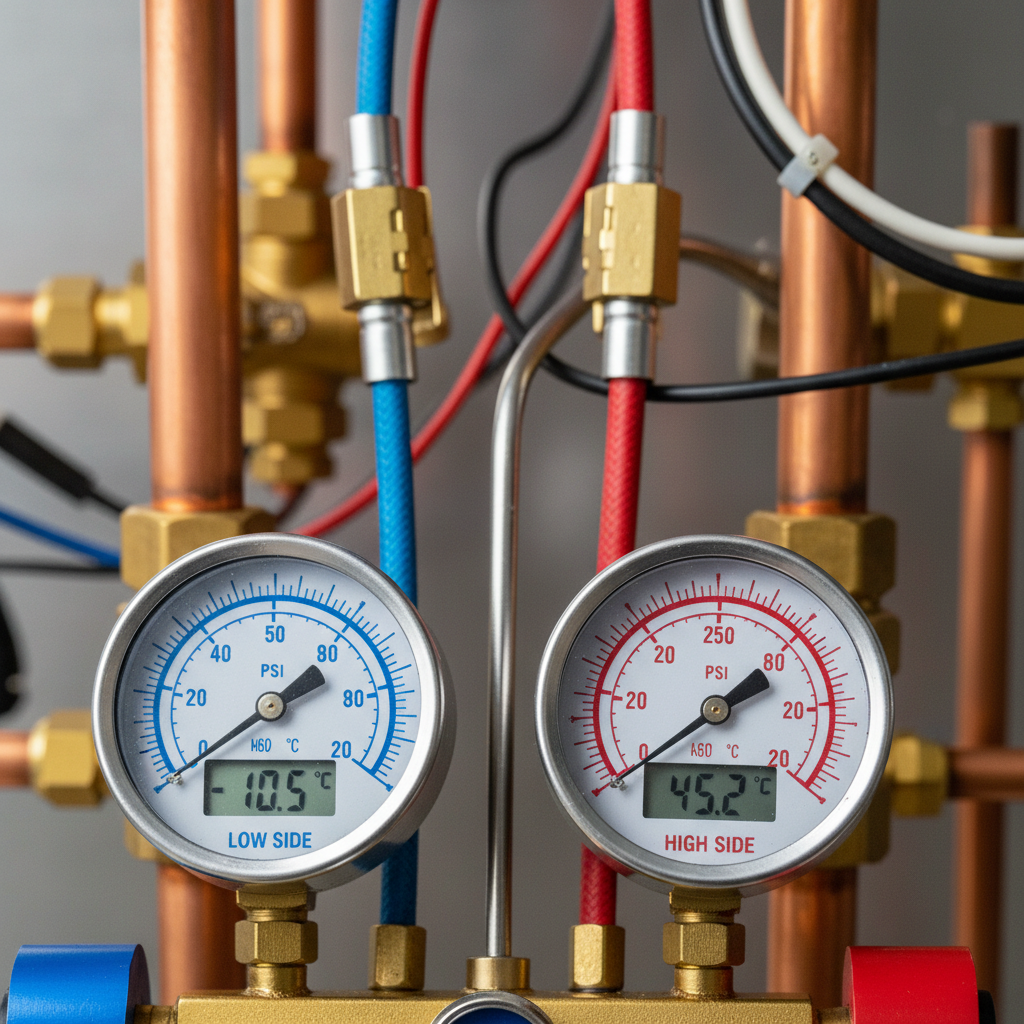
Dirty condenser coils can cause your refrigerator to stop cooling efficiently. These coils are usually located at the back or underneath the fridge. Use a vacuum or a brush to remove dust and debris. Be sure to unplug the refrigerator before doing this to ensure safety.
Unusual Noises
Refrigerators can make various noises, but if you notice something unusual, it might indicate a problem. A rattling noise could mean that something is loose, while a hissing sound might be normal, as it’s the sound of the refrigerant flowing. However, a loud buzzing noise often indicates an issue with the compressor or the fan.
Inspect the Fan
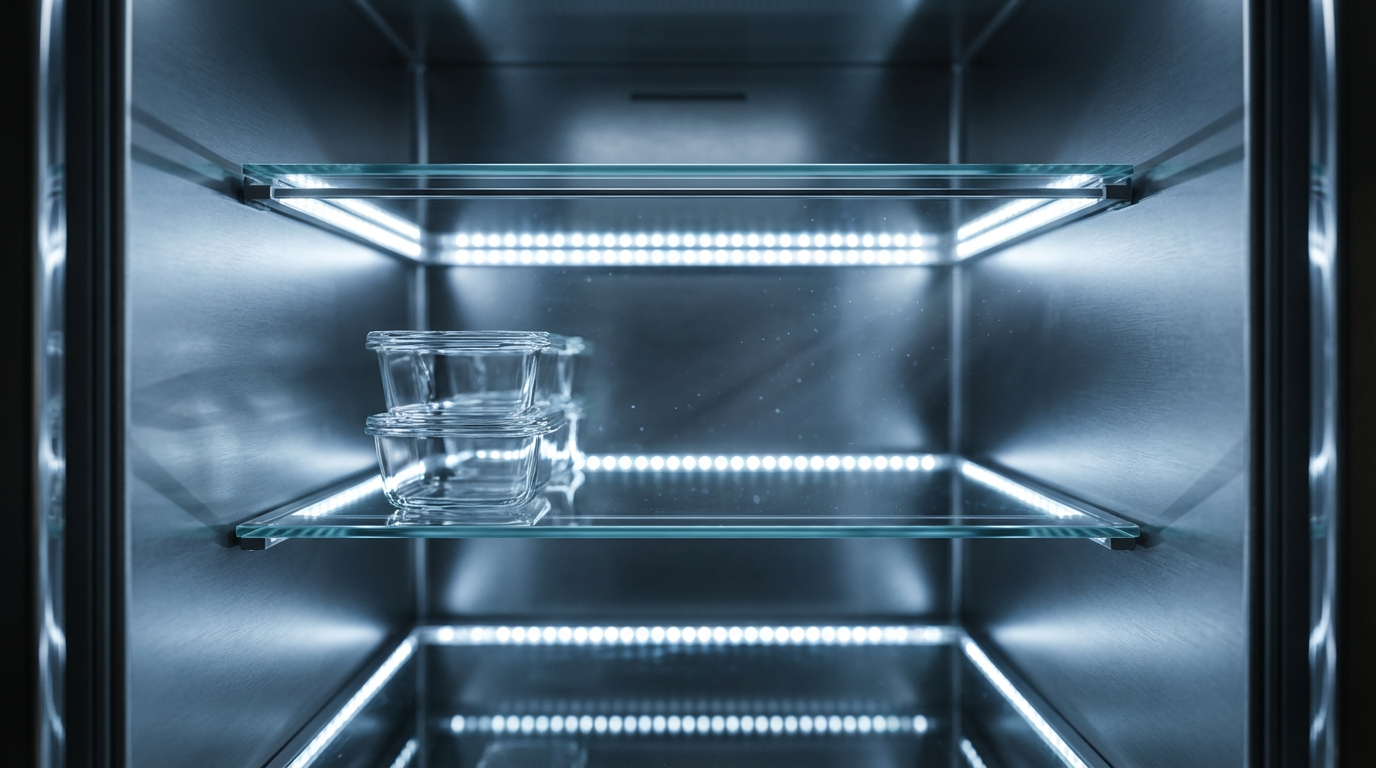
To troubleshoot, check the evaporator fan inside the freezer. If it's not working, your fridge might not be cooling effectively, and you may hear a buzzing noise. You can access the fan by removing the freezer's rear panel. Ensure the fan blades spin freely and aren't obstructed.
Water Leaking
Water pooling under your fridge is another common issue. Begin by checking the water supply line if your refrigerator has an ice maker or water dispenser. Ensure it is securely connected and not leaking. If the leak persists, inspect the defrost drain for clogs, which can cause water to back up and leak onto the floor.
Clean the Defrost Drain
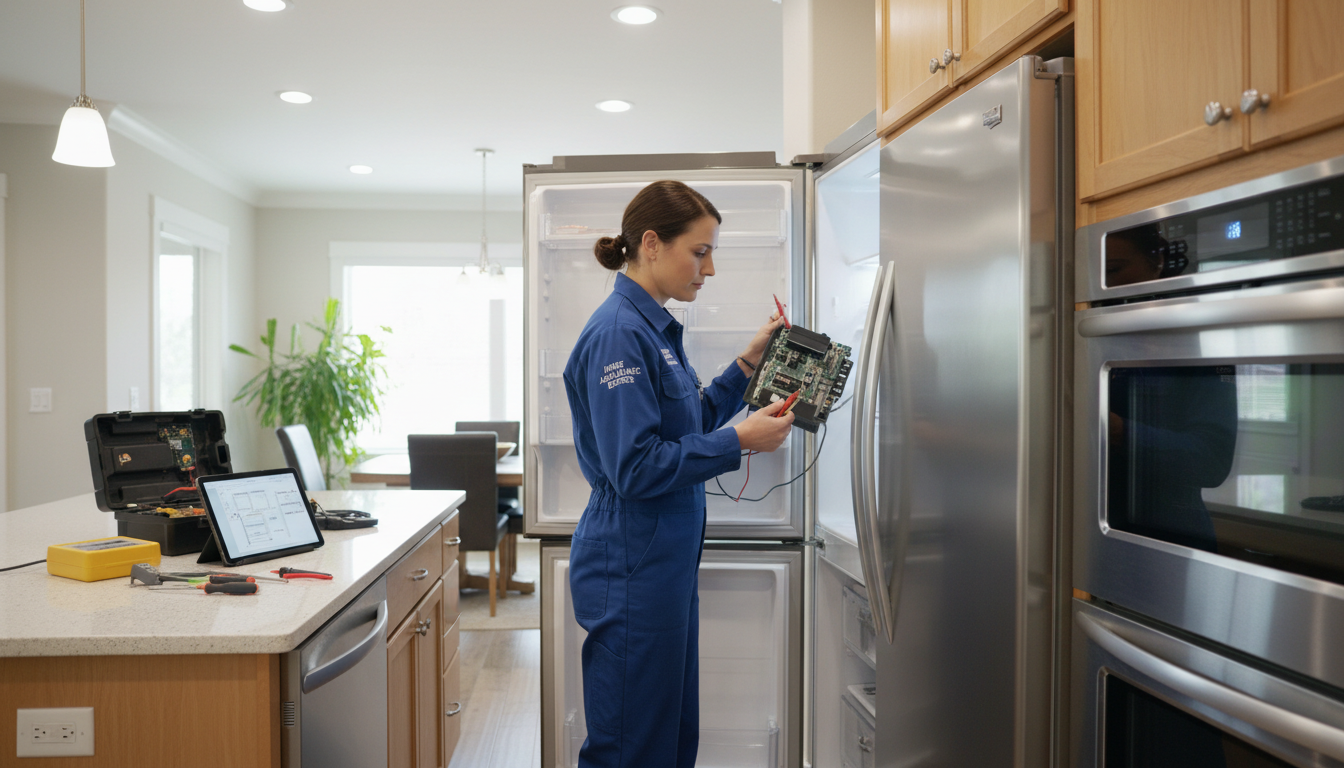
To clean the defrost drain, locate it at the back of the refrigerator. Use a mix of hot water and baking soda to flush out any debris. This should clear the blockage and stop the leaking. If this doesn’t solve the problem, the issue might be more complex, requiring professional repair.
Ice Maker Not Working
If your ice maker has stopped producing ice, ensure that the ice maker is turned on and the water supply line is connected. If these are in order, check the ice maker’s ejector arm and ensure it's in the down position. Sometimes, a simple reset can solve the problem.
Inspect for Ice Blockage
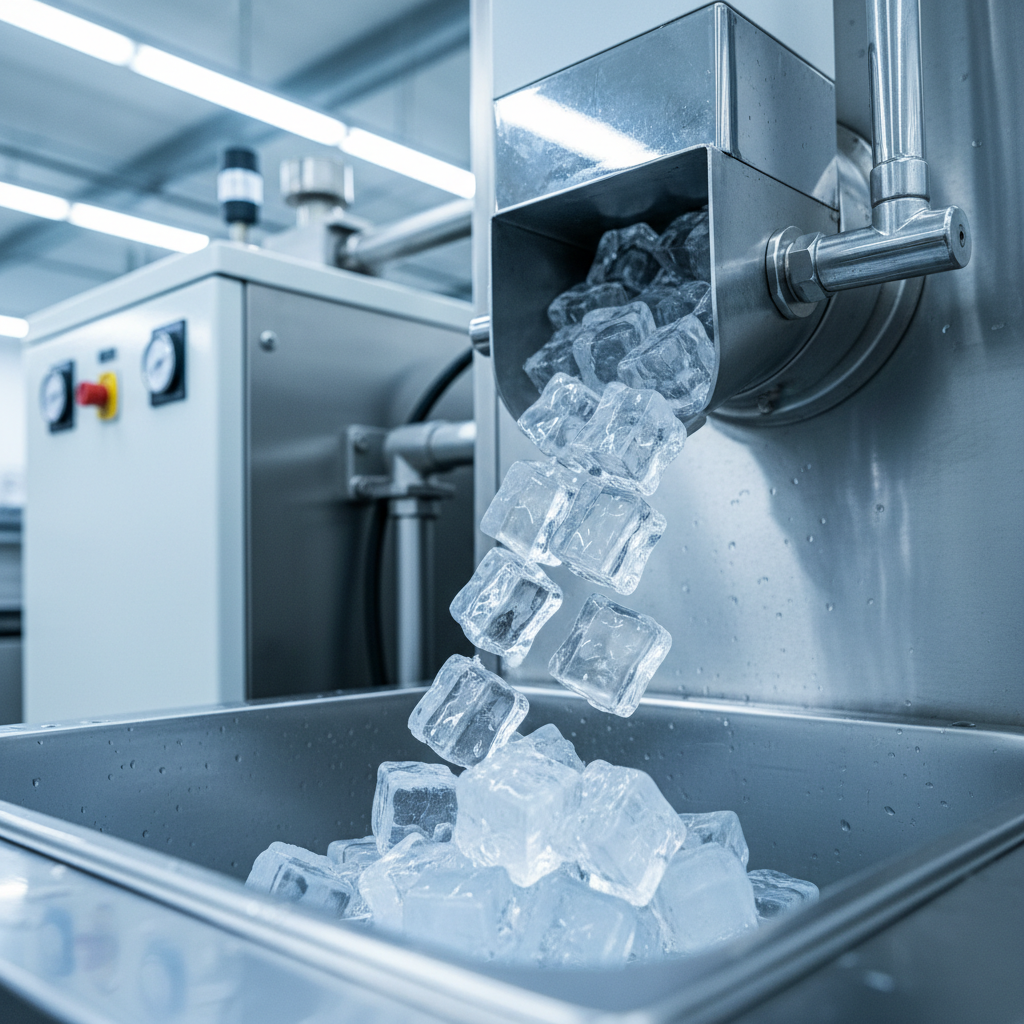
Look for ice blockages in the ice maker. If you find any, defrost them using a hairdryer on a low setting. Be cautious not to overheat the plastic parts. Clearing blockages can often restore the ice maker's functionality.
Troubleshooting these common refrigerator problems can save time and money. However, if these solutions don't resolve your issue, it's best to contact a professional to avoid further damage. Regular maintenance and cleaning can also help prevent many of these issues from occurring in the first place.