
The Importance of Regular Kitchen Equipment Servicing


Ensuring Efficiency and Safety
In any commercial kitchen, efficiency and safety are paramount. Regular servicing of kitchen equipment plays a crucial role in maintaining these standards. Well-maintained equipment operates more efficiently, reducing energy consumption and the likelihood of breakdowns. This not only saves money but also ensures a safer working environment.
Regular maintenance checks can identify potential issues before they become major problems. By addressing these early, businesses can avoid costly repairs and downtime. Moreover, staff can work with the assurance that the equipment is reliable and safe to use.
Prolonging Equipment Lifespan
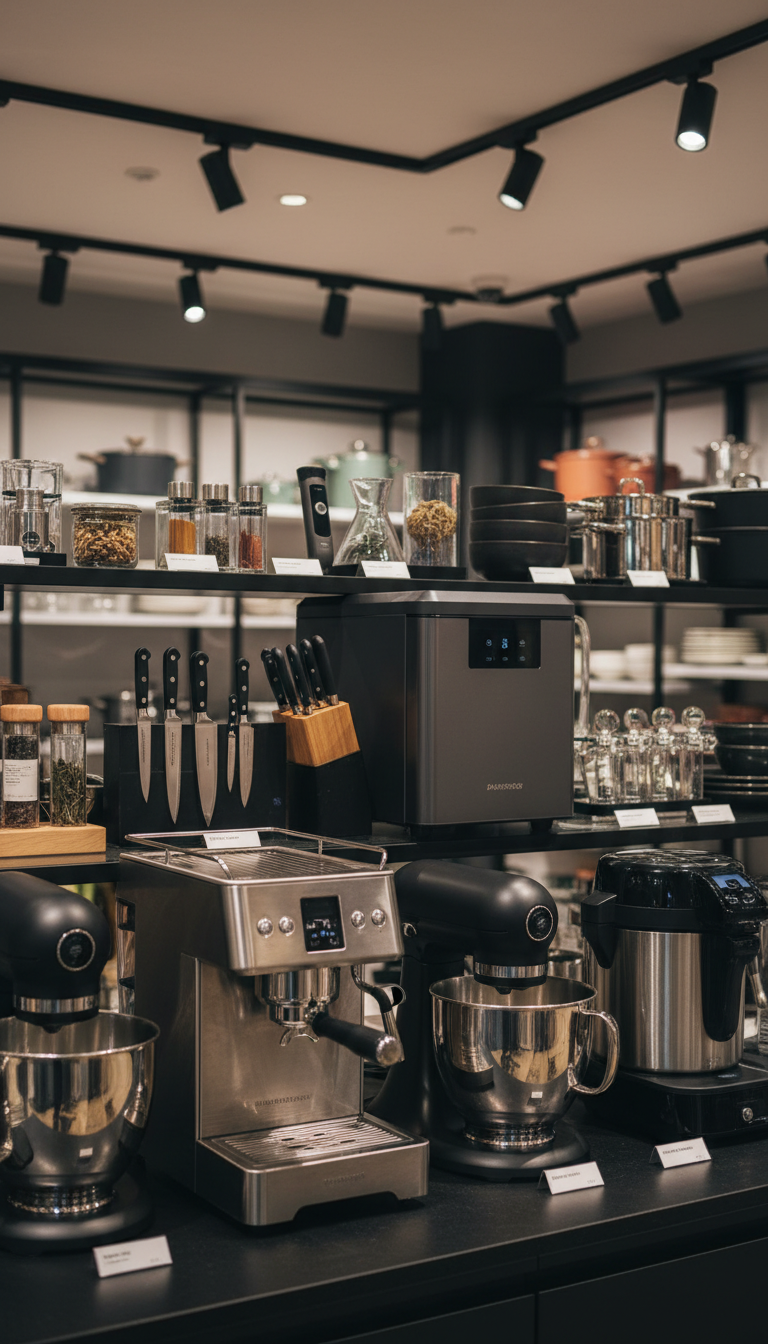
Investing in kitchen equipment is a significant expense for any foodservice business. To maximize the return on this investment, it is essential to service the equipment regularly. Regular servicing helps to keep the equipment in optimal condition, thereby prolonging its lifespan.
When equipment functions as intended, it reduces wear and tear and prevents premature failures. This proactive approach to maintenance ensures that the equipment serves the business for many years, providing the best value for the investment.
Maintaining Food Quality and Compliance
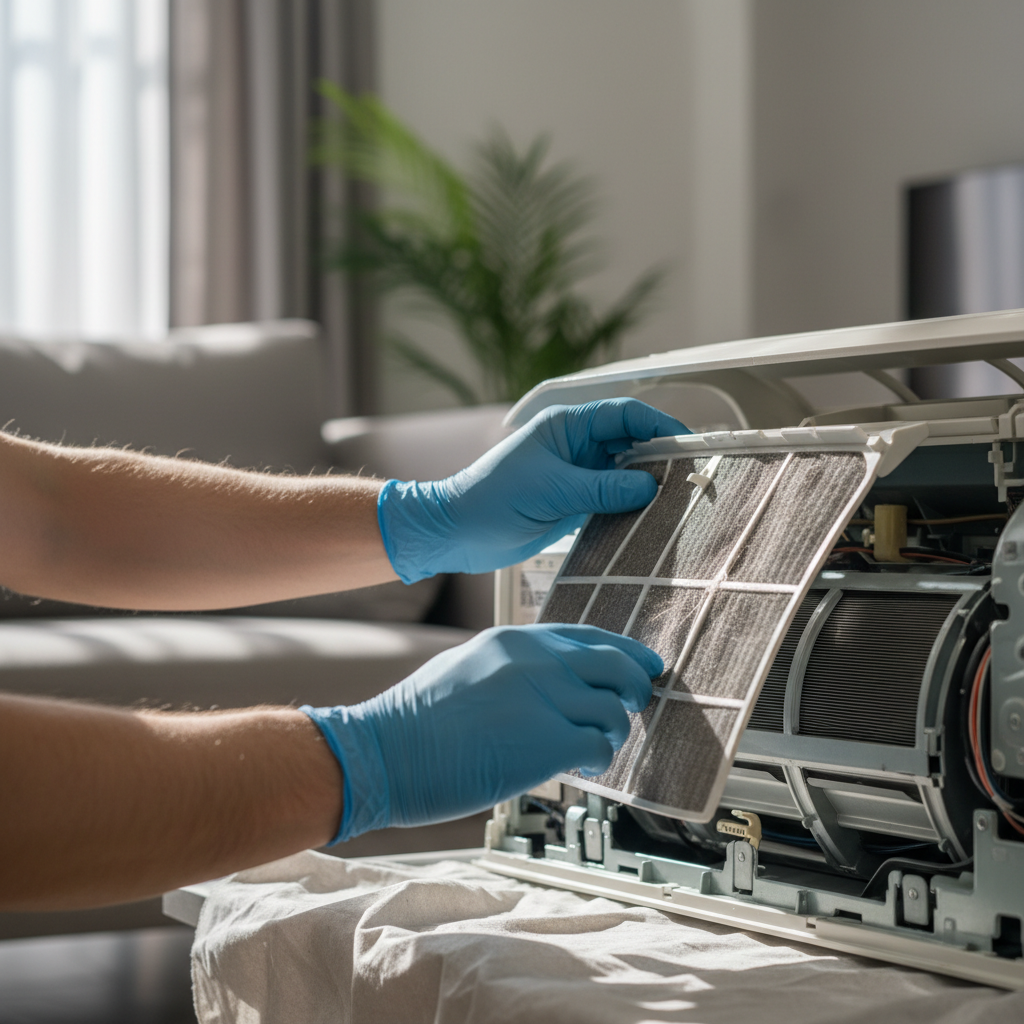
Regular servicing of kitchen equipment is also vital for maintaining food quality. Equipment that operates efficiently can cook food uniformly, which is essential for delivering consistent quality. This consistency is key to customer satisfaction and retention.
Moreover, regular servicing ensures compliance with health and safety regulations. Faulty equipment can lead to health hazards, such as food contamination, which can tarnish a business's reputation. Servicing helps to meet all necessary standards, keeping both customers and authorities satisfied.

Sustainability and Environmental Impact
In today's world, sustainability is more important than ever. Regular servicing can contribute to a kitchen's sustainability efforts by ensuring that equipment runs efficiently. This efficiency translates to reduced energy consumption, lowering the environmental impact.
Maintaining equipment also minimizes waste. When equipment is not properly cared for, it may need to be replaced more frequently. By extending the equipment's lifespan, businesses contribute to a more sustainable operation.
Conclusion
Regular kitchen equipment servicing is not just a routine task. It is an investment in efficiency, safety, and sustainability. By prioritizing maintenance, businesses can enjoy a myriad of benefits, from cost savings to enhanced food quality. Ultimately, this proactive approach ensures that a commercial kitchen can operate smoothly and successfully for years to come.