
Top Maintenance Tips for Major Kitchen Equipment


Regular Cleaning
Maintaining your kitchen equipment is crucial for ensuring efficiency and longevity. One of the simplest yet most effective maintenance tips is regular cleaning. Frequent cleaning prevents the buildup of grease and grime that can cause equipment to malfunction.
Use appropriate cleaning agents for each type of equipment. For instance, stainless steel cleaners are perfect for ovens and refrigerators, while gentle detergents work well for smaller appliances like blenders and mixers. Always follow the manufacturer's instructions for cleaning.

Inspect Electrical Components
Another critical aspect of maintaining kitchen equipment is inspecting electrical components. Check for any frayed cords or loose connections. These can be fire hazards and may lead to equipment failure.
Regularly test the equipment to ensure it's functioning correctly. If you notice any irregularities, such as unusual noises or inconsistent performance, it may be time to call a professional for an inspection.
Lubricate Moving Parts
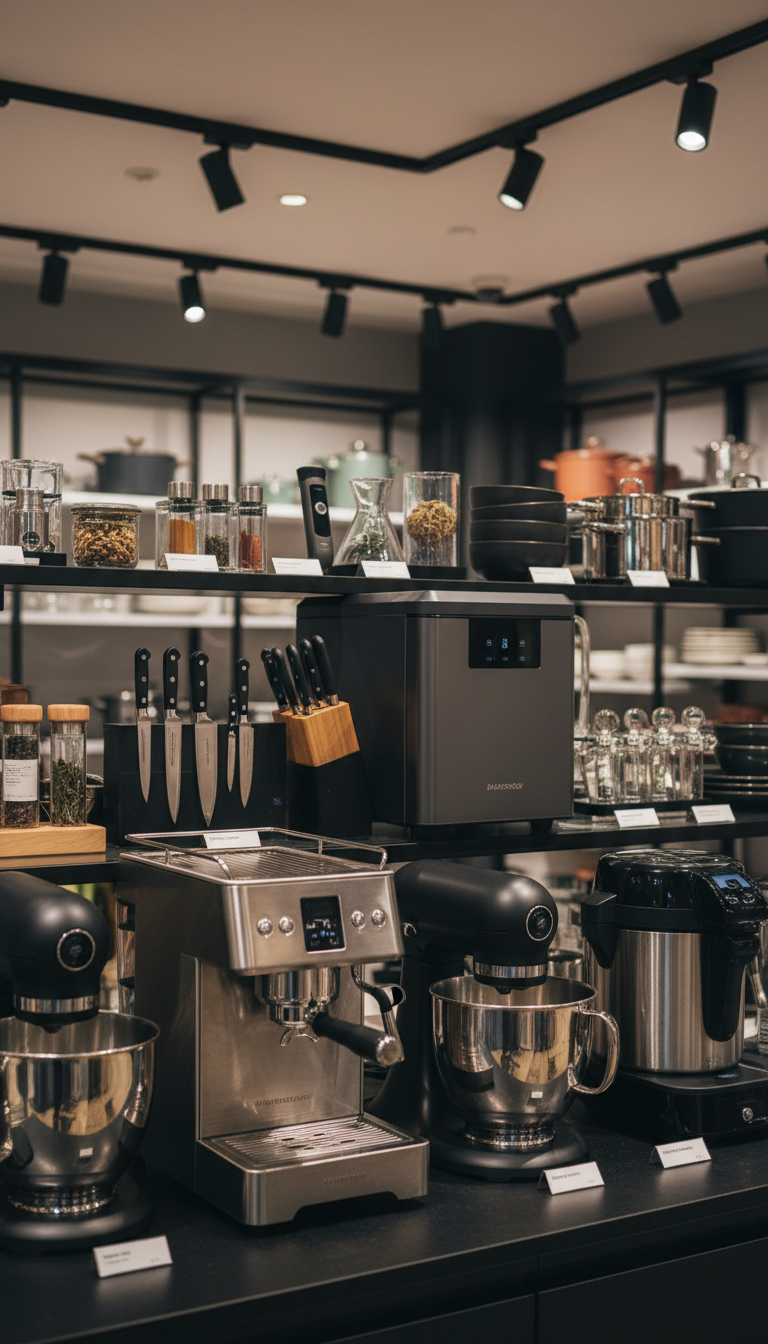
Equipment with moving parts, such as mixers and food processors, requires regular lubrication. This reduces friction and prevents wear and tear. Applying the right lubricant is essential, so consult your equipment's manual for guidance.
Regular lubrication not only extends the life of your equipment but also ensures it runs smoothly and efficiently, saving you time and effort in the kitchen.
Schedule Professional Maintenance
While regular in-house maintenance is vital, scheduling professional maintenance checks can be equally important. Professionals can spot potential issues that might not be visible to the untrained eye. Regular service checks can help prevent costly repairs in the future.
Consider setting up a maintenance schedule with a trusted service provider. This ensures your equipment is regularly checked and maintained by experts.
Replace Worn-Out Parts
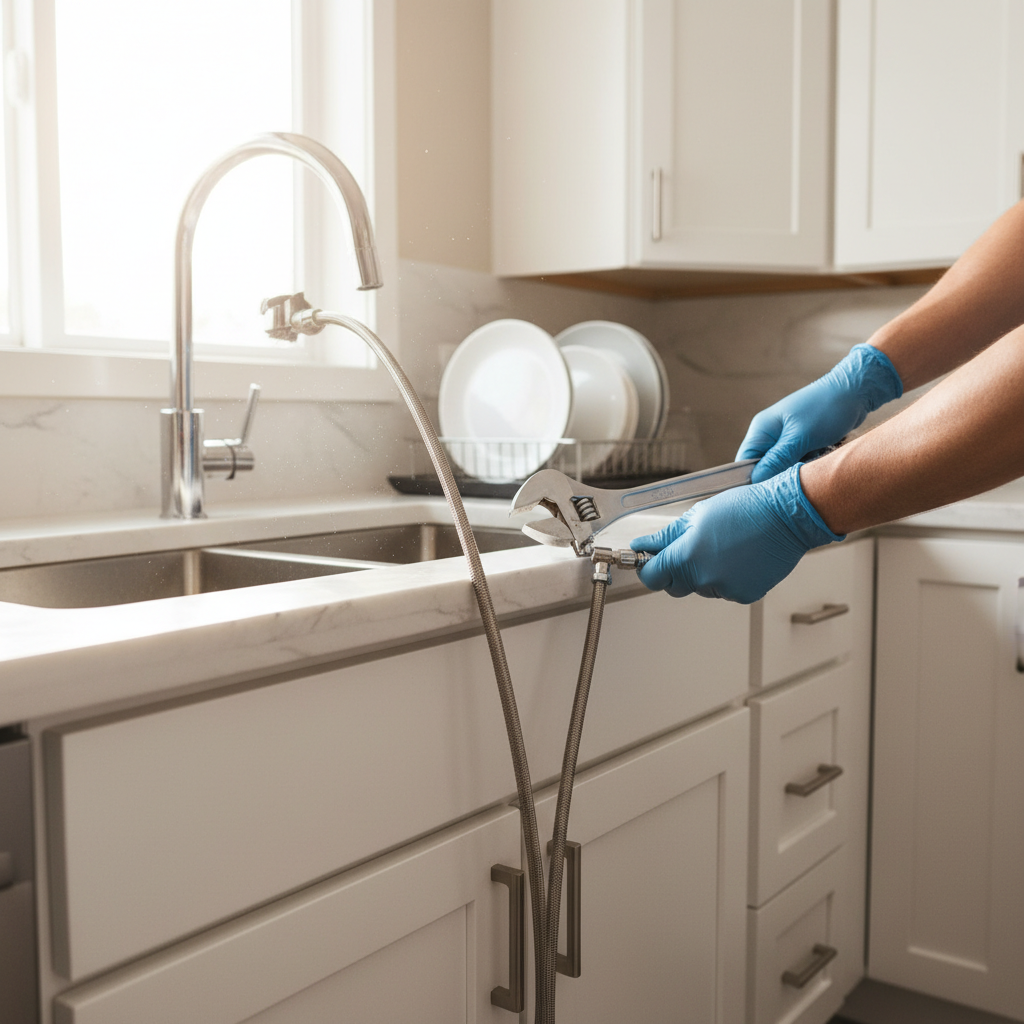
Over time, certain parts of your kitchen equipment will wear out and require replacement. Common components that might need replacement include seals, gaskets, and filters. Regular inspection will help identify worn-out parts before they cause further damage.
Replacing these parts promptly can prevent larger malfunctions and extend the overall lifespan of your equipment.
Calibrate Equipment Regularly
For equipment requiring precise measurements, such as ovens and scales, regular calibration is vital. Calibration ensures that your equipment is accurate, which is crucial for maintaining consistency in cooking and baking.
Many manufacturers provide guidelines for calibration, or you can consult a professional to assist with the process.
Maintain Proper Ventilation
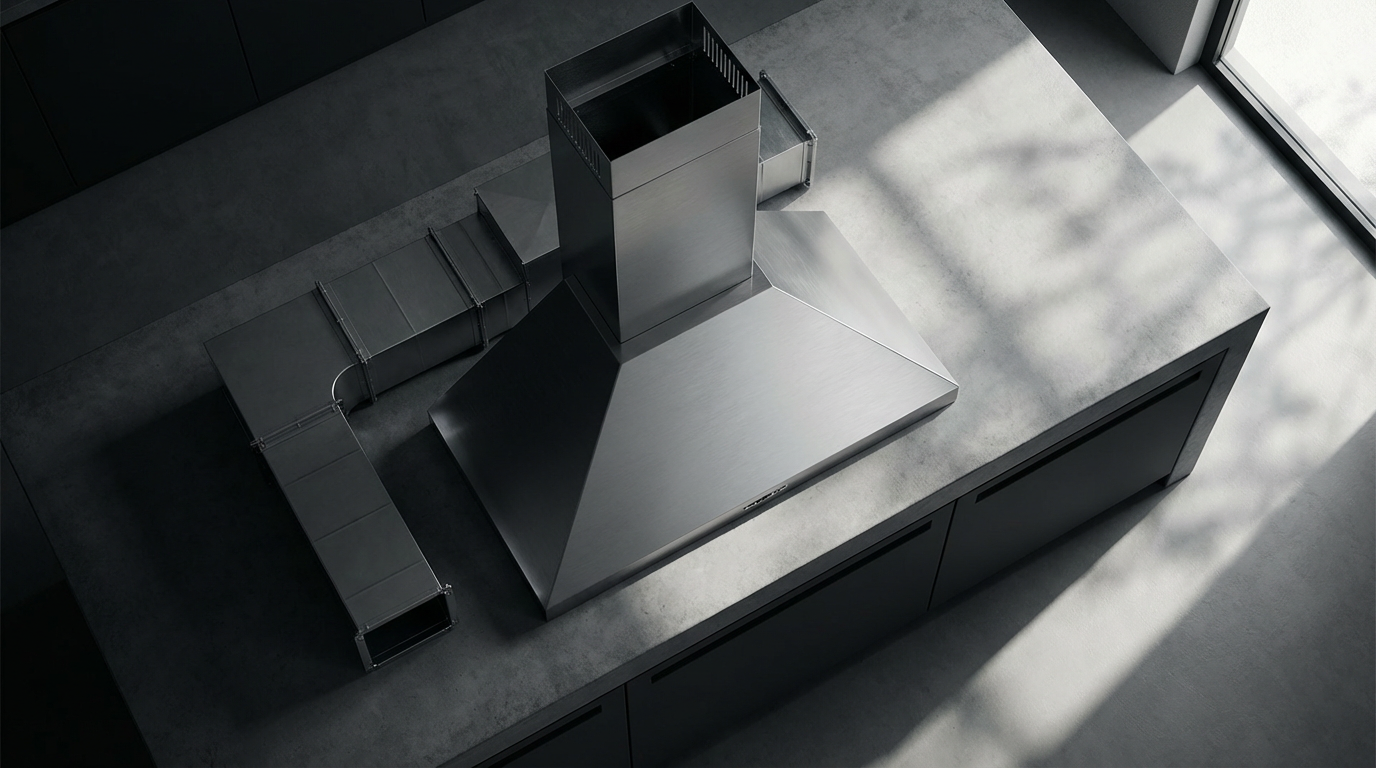
Proper ventilation is essential for the optimal performance of kitchen equipment, especially for ovens and stoves. Ensure that vents and filters are cleaned regularly and are free of obstructions.
Good ventilation not only improves equipment efficiency but also enhances kitchen safety by reducing the risk of overheating and fire hazards.
Keep Equipment Manuals Handy
Finally, always keep the equipment manuals handy. These manuals provide specific maintenance instructions and troubleshooting tips. They are invaluable resources for understanding the unique requirements of each piece of equipment.
Consider creating a dedicated space for all your manuals in the kitchen for easy access whenever needed.